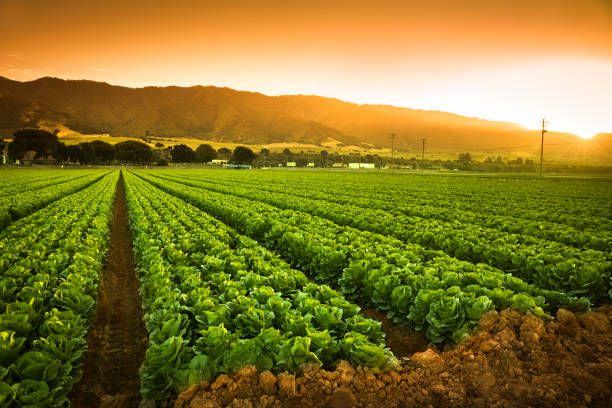
FIELD / DEMO DATA
Field
Demo data • Balanced priority profile
Crops selected (3): Hay or Alfalfa (Haylage), Field Corn (Silage or Grain), Soybeans or Small Grains
Soil health
0.80 SH
OC 2.49% · pH 6.36 · Hudson silt loam
Annual rainfall
778 mm
NASA POWER · 1202 mm/yr total
Root-zone moisture
0.66 RZM
NASA GWETROOT · 42.65°, -73.76°
Soil temperature
19.1°C
NASA POWER · Above planting threshold
Why this rotation won
Legume rotation supports soil nitrogen.
Cover crops protect soil between seasons.
Generated from Gemini
Rotation score breakdown
Each metric is scored 0 to 1 · averaged into a score out of 100
AVERAGE SCORE
81 / 100
Metric
0.0
0.5
1.0
0–1
Soil health
0.82
Water safety
0.88
Resilience
0.76
Yield potential
0.71
Nitrogen fixation
0.86
Ranked alternatives · NASA & soil scores
| RANK | ROTATION | TOTAL SCORE |
|---|---|---|
| 01 | Soybeans or Small Grains → Field Corn (Silage or Grain) → Hay or Alfalfa (Haylage) | 0.86 |
| 02 | Sweet Corn, Snap Beans or Green Peas → Cabbage → Onions | 0.81 |
| 03 | Soybeans or Small Grains → Potatoes → Beets, Carrots, Squash or Pumpkins | 0.77 |
Quick analysis
Generated by Gemini
Generating quick agronomic analysis for this crop sequence using NASA POWER satellite rainfall, root-zone moisture, and soil temperature...
Field map & border planner
Type how many fields there are to generate square field borders, or click & drag on the map to draw custom borders (API key placeholder for backend integration).
Click any square border (F001, F002, ...) to inspect that field, or click "Draw border on map" and drag across the satellite view to draw a square border for the active field.
Crop water demand
Annual rainfall: 452 mm
Grapes (Juice or Wine)
380 mm
Soybeans or Small Grains
420 mm
Potatoes
480 mm
Field Corn (Silage or Grain)
550 mm
Hay or Alfalfa (Haylage)
580 mm
5-Year temperature & rainfall trend (2020–2024)
Dual-axis 5-year history · Left Y-axis: Temperature (°C / °F) · Right Y-axis: Rainfall (mm)
Temperature (°C / °F)
Rainfall (mm)
Temperature shift impact:
Loading 5-year temperature trend...
Rainfall shift impact:
Loading 5-year rainfall trend...
Generated from Gemini
NASA satellite estimate
Regional observation
Root-zone moisture
0.35 m³/m³
Air temperature
24.8 °C
Recent precipitation
220 mm
MMS Mobile Measuring Station readings
Local MMS Mobile Measuring Station · ground-truth
MMS status
0.22 m³/m³ (Dry)
Soil temperature
20.9 °C
Air humidity
38 % RH
Rain sensor
No MMS data
MMS Mobile Measuring Station · decide Wet or Dry
01
Check the MMS Mobile Measuring Station in your soil and decide whether the soil is Wet or Dry.
02
Select Wet or Dry below to send your MMS Mobile Measuring Station state to the backend.
03
Read the backend report below to see soil moisture guidance, irrigation advice, and your updated crop rotation.
Backend report for Dry MMS Mobile Measuring Station
Soil moisture is below the satellite baseline. Backend recommends conserving root-zone water and avoiding consecutive high-transpiration crops.
Backend rotation update: Soybeans or Small Grains → Field Corn (Silage or Grain) → Hay or Alfalfa (Haylage).